
By Dr. Nilsana Charkhande, PsyD, RCC, CCC, ACS — therapist and clinical supervisor with 15+ years treating trauma, anxiety, depression, and family concerns.
Is it enough to focus only on anxiety, depression, or grief? Or is it important to explore whether earlier traumatic experiences are contributing to current emotional struggles?
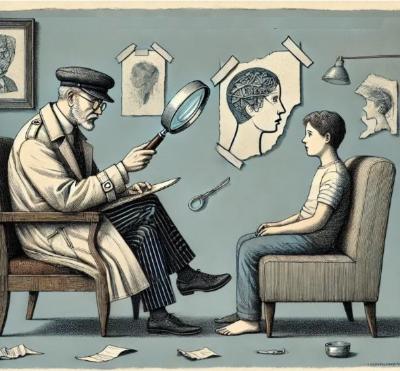
It looks like anxiety. Or depression. But is it trauma?
Symptoms such as anxiety or depression may seem straightforward at first. However, trauma is a powerful and frequently unrecognized factor that can deeply affect mental health. When trauma is left unresolved, it often presents in ways that resemble anxiety disorders, depressive symptoms, or complicated grief.
Recognizing the connection between trauma and these mental health challenges is essential. When the underlying cause is identified and treated directly, recovery is often more meaningful and long-lasting.
Key points
Trauma often appears as anxiety, depression, or grief, masking its underlying source.
Identifying trauma as a root cause is essential for effective treatment.
Unresolved trauma can affect both emotional and physical health.
Strong research evidence supports trauma focused treatment approaches.
A trained therapist can help identify whether past trauma is contributing to present symptoms.
What does the research say about addressing trauma?
Research shows that directly addressing trauma can significantly reduce symptoms of anxiety, depression, and complicated grief.
Studies indicate that:
Interventions targeting traumatic grief, such as imaginal re-living and interpersonal therapy, have led to meaningful reductions in grief symptoms, anxiety, and depression.
Trauma-focused cognitive behavioral therapy for children and their parents has resulted in significant improvements in PTSD, depression, and anxiety.
Mindfulness-based interventions have reduced symptoms of depression and anxiety while promoting posttraumatic growth and self-efficacy.
Addressing attachment insecurity has been shown to support healing from depression in individuals with a history of interpersonal trauma.
These findings support the importance of treating trauma directly rather than focusing only on surface symptoms.
Each of us responds to traumatic events differently
Trauma is a highly individual experience. An event that one person navigates without lasting impact may deeply affect someone else. Responses to trauma are influenced by personal history, emotional sensitivity, available support, and previous life experiences.
There is no universal definition of what is traumatic. What matters most is how the experience was processed and stored emotionally and physiologically.
Traumatic is not always dramatic
Trauma is often associated with major events such as natural disasters, serious accidents, or physical harm. However, trauma can also develop from more subtle and prolonged experiences, including emotional neglect, chronic criticism, bullying, or ongoing stress.
Repeated experiences that feel invalidating, unsafe, or overwhelming can accumulate over time and significantly shape mental health.
How do you know it’s trauma?
Trauma does not always present in obvious ways. Instead of clear flashbacks or vivid memories, trauma may influence patterns of thinking, emotional responses, and behavior in subtle but persistent ways.
For many individuals, trauma becomes visible only when symptoms such as anxiety, depression, or grief do not resolve despite efforts to manage them. Exploring whether trauma plays a role can bring clarity to symptoms that otherwise feel confusing or resistant to change.
Trauma can present as anxiety
Anxiety is a normal reaction to stress. However, when anxiety becomes chronic, intense, or disproportionate to present circumstances, unresolved trauma may be contributing.
Traumatic experiences can leave the nervous system in a heightened state of alertness. This may lead to persistent worry, physical tension, irritability, difficulty relaxing, or a constant expectation that something negative may occur.
Trauma-related anxiety often reflects the body remaining on guard long after the original threat has passed.
Can trauma cause depression?
Unresolved trauma is strongly associated with depression. Individuals who experienced trauma, especially during childhood, may carry persistent feelings of shame, guilt, or inadequacy.
Over time, these internal beliefs can lead to hopelessness, emotional numbness, loss of interest in activities, and difficulty forming or maintaining meaningful relationships. When depression is connected to trauma, addressing the underlying experiences can be a critical step toward recovery.
How to tell if trauma is the root cause
It can be challenging to determine whether trauma is driving current mental health symptoms. However, certain patterns may suggest that trauma is involved:
Ongoing symptoms
Anxiety, depression, or grief that persist despite previous treatment efforts may indicate unresolved trauma.
Heightened emotional reactions
Strong responses to specific triggers that resemble aspects of past experiences may suggest trauma related patterns.
Physical manifestations
Headaches, digestive problems, chronic pain, or unexplained physical symptoms can sometimes be connected to unresolved trauma.
Avoidance behaviors
Avoiding situations, people, or conversations that evoke distress may reflect attempts to prevent trauma related memories or emotions from surfacing.
Recognizing these signs can help guide appropriate treatment decisions.
Effective treatments for trauma-related mental health challenges
Addressing trauma effectively requires therapeutic approaches that target both the original experiences and their ongoing emotional impact.
One evidence-based treatment shown to be effective for trauma related conditions is Cognitive Behavioral Therapy (CBT). CBT helps individuals identify and modify unhelpful thought patterns and behavioral responses connected to traumatic experiences.
When applied to trauma, CBT can help individuals:
Reevaluate beliefs shaped by traumatic events
Reduce the emotional intensity of painful memories
Decrease avoidance behaviors
Develop practical coping tools for anxiety, depression, and grief
By combining cognitive strategies with behavioral interventions, individuals can strengthen resilience and regain a sense of stability.
Moving forward and healing from trauma
Healing from trauma requires patience, support, and intentional therapeutic work. When trauma is addressed directly, symptoms of anxiety, depression, and grief often become more manageable.
Understanding the connection between past experiences and present challenges allows individuals to move forward without remaining constrained by earlier pain. With appropriate treatment and guidance, it is possible to restore emotional balance, strengthen coping abilities, and reconnect with a greater sense of self.
Healing begins with awareness and continues through consistent, supported effort.
References and suggested reading
Boelen, P., Olff, M., & Smid, G. (2019). Traumatic loss: Mental health consequences and implications for treatment and prevention. European Journal of Psychotraumatology, 10. https://doi.org/10.1080/20008198.2019.1591331.
Cohen, J., Mannarino, A., & Knudsen, K. (2004). Treating childhood traumatic grief: a pilot study.. Journal of the American Academy of Child and Adolescent Psychiatry, 43 10, 1225-33 . https://doi.org/10.1097/01.CHI.0000135620.15522.38.
Gesi, C., Carmassi, C., Shear, K., Schwartz, T., Ghesquiere, A., Khaler, J., & Dell’Osso, L. (2017). Adult separation anxiety disorder in complicated grief: an exploratory study on frequency and correlates.. Comprehensive psychiatry, 72, 6-12 . https://doi.org/10.1016/j.comppsych.2016.09.002.
Huh, H., Kim, K., Lee, H., & Chae, J. (2017). The relationship between childhood trauma and the severity of adulthood depression and anxiety symptoms in a clinical sample: The mediating role of cognitive emotion regulation strategies.. Journal of affective disorders, 213, 44-50 . https://doi.org/10.1016/j.jad.2017.02.009.
Kuzminskaite, E., Penninx, B., Van Harmelen, A., Elzinga, B., Hovens, J., & Vinkers, C. (2021). Childhood Trauma in Adult Depressive and Anxiety Disorders: An Integrated Review on Psychological and Biological Mechanisms in the NESDA Cohort.. Journal of affective disorders, 283, 179-191 . https://doi.org/10.1016/j.jad.2021.01.054.
Matsakis, A. (1992). I Can’t Get Over It: A Handbook for Trauma Survivors. .
Range, L., Kovac, S., & Marion, M. (2000). Does writing about the bereavement lessen grief following sudden, unintentional death?. Death studies, 24 2, 115-34 . https://doi.org/10.1080/074811800200603.
Shear, M., Frank, E., Foa, E., Cherry, C., Reynolds, C., Bilt, V., & Masters, S. (2001). Traumatic grief treatment: a pilot study.. The American journal of psychiatry, 158 9, 1506-8 . https://doi.org/10.1176/APPI.AJP.158.9.1506.
By Dr. Nilsana Charkhande, PsyD, RCC, CCC, ACS.
Her clinical work focuses on trauma, PTSD, anxiety, depression, OCD, addiction, eating concerns, family relationships, and self-harm. Her training includes EMDR, CBT, DBT, hypnotherapy, art therapy, and Safe and Sound Protocol.