By Dr. Nilsana Charkhande, PsyD, RCC, CCC, ACS — therapist and clinical supervisor with 15+ years treating trauma, anxiety, depression, and family concerns.
Unlock the secrets to lasting love. Explore the transformative power of couples therapy. Reignite intimacy and passion, and strengthen connections.
Key Points
- Long-term relationships come with ups and downs and hard work.
- Communication breakdowns are normal in any relationship, but you can build better communication skills through couples therapy.
- Learn to create opportunities from conflict instead of resentment.
- Growing as an individual does not need to come at the expense of your relationship. Learn to grow together in couples therapy.
In this article
Overview
Relationships are living, evolving systems. They shift over time as you move through new seasons, stressors, and responsibilities. Early on, connection can feel effortless. Later, patterns can take hold that leave you feeling frustrated, misunderstood, or far from the person you once felt so close to.
You might notice you are having the same argument on repeat and cannot seem to break the cycle. You may feel emotionally distant, even if you are sharing a home and a life. You may find yourself thinking back to the beginning and wondering, What changed? How did we get here?
Couples therapy offers a supportive, grounded space to slow things down, understand what is happening beneath the surface, and begin building a healthier way forward. If you are ready to invest in the long-term wellbeing of your relationship, therapy can help you reconnect, strengthen communication, and create a relationship that feels more secure and fulfilling.
Enhanced communication
Healthy communication is one of the strongest predictors of a thriving relationship. And yet, even couples who care deeply about one another can get caught in miscommunication, assumptions, or unmet expectations.
Couples therapy offers a structured setting where you can speak openly, listen more effectively, and feel supported by a skilled therapist who helps you stay on track. Over time, you can learn how to express feelings without escalating, clarify needs without blame, and better understand each other’s perspective. These skills build empathy and reduce the painful misunderstandings that often lead to disconnection.
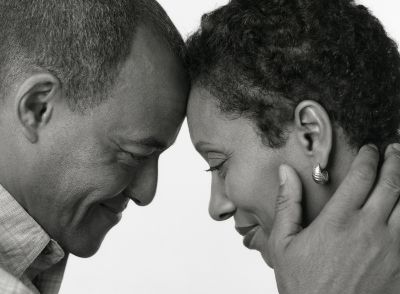
He/She doesn’t get me?
Do you find yourself wondering why your partner still does not understand what you need, even after all this time? Have you planned a thoughtful date night but left feeling overlooked or unappreciated? Do you feel pressured to solve problems immediately, even when you need time to process? Would it help to pause and reflect before reacting?
Couples therapy can help you and your partner get more aligned. You can learn how to respond to conflict in ways that protect your relationship instead of adding to the hurt. With practice, disagreements can become less damaging and more productive.
Conflict resolution skills
Conflict is a normal part of any close relationship. When two people share a life, differences in needs, values, and expectations will come up. The challenge is not avoiding conflict, but learning how to move through it in a way that leads to repair.
Disagreements often feel more intense with a partner because you want to be understood and supported. When that does not happen, frustration can grow quickly. Without the right tools, one argument can turn into a spiral where old wounds and resentments show up all at once.
Couples therapy helps you develop concrete conflict-resolution skills, including how to slow down, listen actively, and speak with clarity. You can practice approaching conflict with empathy and teamwork, rather than defensiveness or blame. Over time, conflict can become an opportunity to understand each other more deeply and strengthen your relationship.
Rekindling intimacy
In the beginning of a relationship, intimacy often feels natural and easy. Over time, the demands of work, parenting, and daily life can create distance, leaving you feeling less connected emotionally or physically.
If you have noticed intimacy fading, you are not alone. Many couples experience this, especially during high-stress seasons. The good news is that intimacy can return when you have support, intention, and the tools to reconnect.
Couples therapy provides a safe space to explore emotional and physical needs with care and respect. With a therapist as a neutral guide, you and your partner can talk about vulnerability, desire, fear, and disconnection in a way that feels contained and supportive. Together, you can identify what has been getting in the way and begin rebuilding closeness with greater understanding.
Individual growth within the relationship
A healthy relationship supports both partners as individuals. Each person brings their own history, values, and goals. A relationship often becomes stronger when both people feel encouraged to grow, evolve, and pursue a meaningful life.
In couples therapy, you can explore personal goals and learn how to support one another without losing yourselves in the relationship. When each person feels empowered and understood, the relationship benefits from that increased self-awareness and clarity.
Nurture your relationship
Relationships are intricate. They can be deeply rewarding, but they also require ongoing care. Sometimes a couple needs support from a third party to help reduce conflict, shift patterns, and learn skills that create stability and connection.
Couples therapy supports communication, conflict resolution, intimacy, and personal growth. The work you do together can create changes that reach far beyond the therapy room, improving daily life, strengthening emotional security, and helping you build a relationship that feels sustainable.
Begin your family's healing journey
Taking the first step towards change can be daunting, but you don’t have to do it alone. Dr. Nilsana Charkhande guides your family towards a more harmonious and fulfilling life. If you are ready to begin, please reach out today by calling (604) 500-3443 or filling out the contact form and clicking send. We look forward to hearing from you!
By Dr. Nilsana Charkhande, PsyD, RCC, CCC, ACS.
Her clinical work focuses on trauma, PTSD, anxiety, depression, OCD, addiction, eating concerns, family relationships, and self-harm. Her training includes EMDR, CBT, DBT, hypnotherapy, art therapy, and Safe and Sound Protocol.
References
Doss, B. D., Roddy, M. K., Wiebe, S. A., & Johnson, S. M. (2022). A review of the research during 2010–2019 on evidence-based treatments for couple relationship distress. Journal of Marital and Family Therapy, 48, 283–306. https://doi.org/10.1111/jmft.12552
Lebow, J., & Snyder, D. K. (2022). Couple therapy in the 2020s: Current status and emerging developments. Family Process, 00, 1–27. https://doi.org/10.1111/famp.12824
M. Côté, J. Tremblay & M. Dufour (2022) What Is Known about the Forgiveness Process and Couple Therapy in Adults Having Experienced Serious Relational Transgression? A Scoping Review, Journal of Couple & Relationship Therapy, 21:3, 207-232, https://doi.org/10.1080/15332691.2021.1939216
Spengler, P. M., Lee, N. A., Wiebe, S. A., & Wittenborn, A. K. (2022). A comprehensive meta-analysis on the efficacy of emotionally focused couple therapy. Couple and Family Psychology: Research and Practice.