
The feelings of low motivation and low energy that characterize depression make it especially hard to take care of yourself and pull yourself out of your slump. Fortunately, even small but consistent efforts toward recovery can yield a significant improvement in your symptoms faster than you might expect.
Key points
- Depression is the most commonly occurring mood disorder, affecting between 5-10% of adults in the US
- Depression saps your enjoyment in life and affects your ability to function effectively at work and at home, and impacts your relationships
- Even small improvements to your lifestyle can yield noticeable improvements in your symptoms
- Professional help is available, and highly effective in treating depression
In this article
Overview
Depression is the most common mood disorder, affecting about 5 to 10 percent of adults in the United States. It can take away your sense of joy, make it difficult to perform at work, and put strain on important relationships. The positive news is that depression usually responds well to treatment, and many people begin to feel better even without medication.
Symptoms of depression
Depression can look different from person to person, but common symptoms include:
Persistent low mood, sadness, or emptiness lasting at least two weeks
Loss of motivation and difficulty completing daily tasks
Fatigue or lack of energy, even with sufficient rest
Changes in appetite or weight due to poor nutrition or irregular eating habits
Loss of interest or pleasure in activities once enjoyed
Withdrawing from friends, family, or social activities
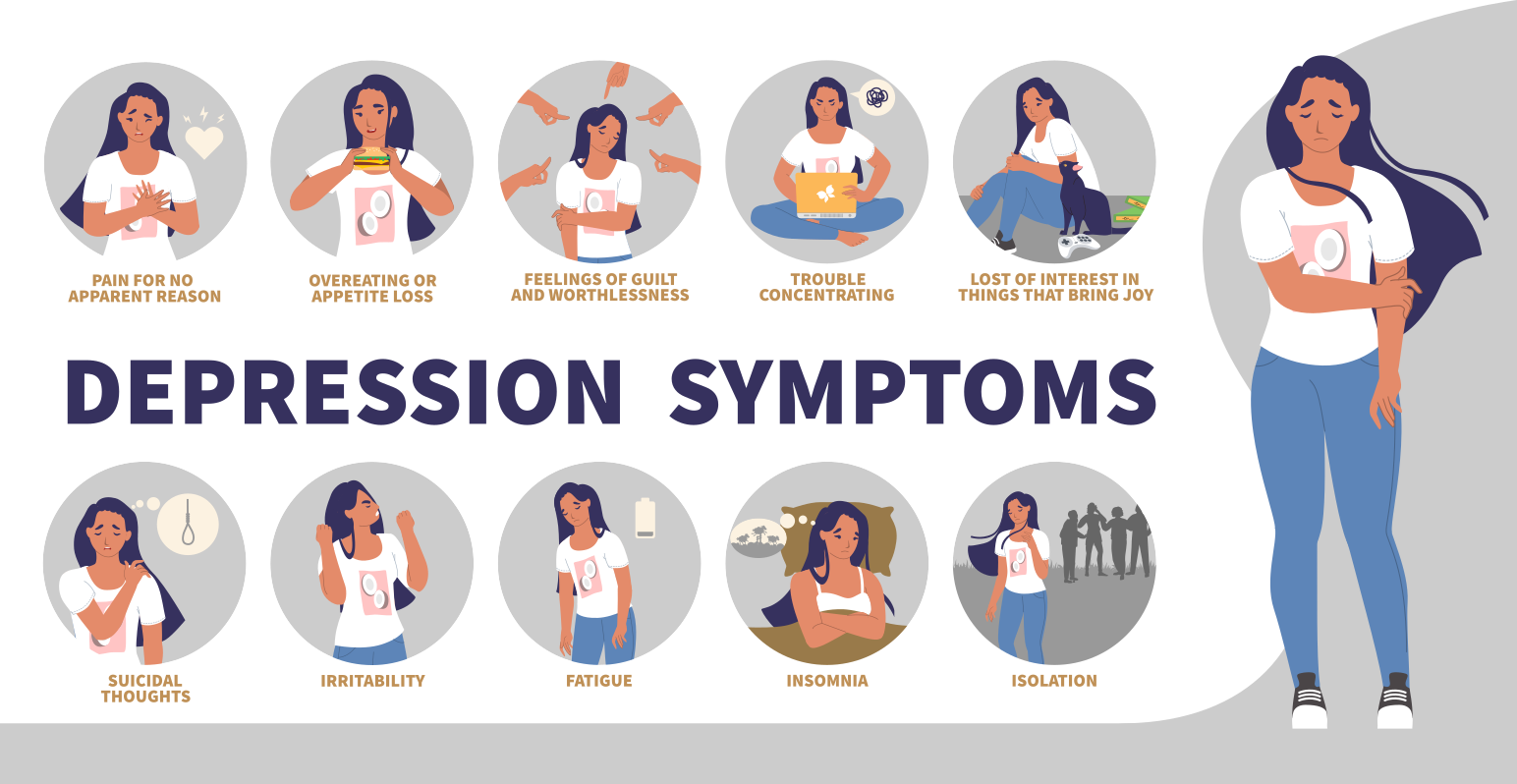
Recognizing these symptoms is an important step toward healing.
Causes
There is no single explanation for why one person develops depression while another does not. Stressful life events often play a role, such as the end of a relationship, the death of a loved one, losing a job, or navigating major life transitions. Shifts such as becoming a parent, adjusting to an empty nest, or changing careers can all trigger questions about identity and self-worth. Without the right support, these periods of change can leave you vulnerable to depression.
Risk factors
Certain influences increase the likelihood of depression:
Genetics: having close relatives with depression
Environmental factors: history of trauma, abuse, or lack of supportive connections
Biological factors: medical conditions, brain chemistry, or side effects from medication
Diagnosis
Accurate diagnosis is an important first step. Depression comes in many forms, including Seasonal Affective Disorder, postpartum depression, or depression that occurs alongside other medical or mental health conditions. Each requires an approach suited to its cause.
Your healthcare provider will likely review your symptoms, family history, health status, and other contributing factors. In some cases, bloodwork may be ordered to rule out underlying medical conditions. Once physical causes are excluded, your doctor may refer you to a therapist or psychologist for specialized treatment.
Treatment
Treatment for depression depends on what is contributing to your symptoms and how severe they are.
If depression is related to another medical condition or medication, your doctor may recommend adjustments.
For mild depression, lifestyle changes such as regular exercise, a balanced diet, and a healthy sleep routine can make a meaningful difference. Psychotherapy, including Cognitive Behavioral Therapy (CBT), can help reduce symptoms and provide lasting coping strategies.
For more severe depression, medication may be combined with therapy to help stabilize mood and support recovery.
Even small steps toward treatment can bring significant improvements. Reaching out for help begins the process of healing.
Depression and related concerns
Depression often occurs alongside other challenges, including anxiety, OCD, or the effects of trauma. It can also be triggered by grief, loss, or separation. Some people cope with alcohol or unhealthy behaviors, which may worsen symptoms.
Therapy can help you explore these connections and develop healthier ways of responding. With professional support, it is possible to move beyond depression and create a life with more balance and fulfillment.
Begin your family's healing journey
Taking the first step towards change can be daunting, but you don’t have to do it alone. Dr. Nilsana Charkhande guides your family towards a more harmonious and fulfilling life. If you are ready to begin, please reach out today by calling (604) 500-3443 or filling out the contact form and clicking send. We look forward to hearing from you!
References and further reading
Cuijpers, P., Karyotaki, E., Wit, L., & Ebert, D. (2020). The effects of fifteen evidence-supported therapies for adult depression: A meta-analytic review. Psychotherapy Research.
Cuijpers, P., Oud, M., Karyotaki, E., Noma, H., Quero, S., Cipriani, A., Arroll, B., & Furukawa, T. (2021). Psychologic Treatment of Depression Compared With Pharmacotherapy and Combined Treatment in Primary Care: A Network Meta-Analysis. The Annals of Family Medicine.
Pablo, G., Solmi, M., Vaquerizo-Serrano, J., Raduà, J., Passina, A., Morsillo, P., Correll, C., Borgwardt, S., Galderisi, S., Bechdolf, A., Pfennig, A., Bauer, M., Kessing, L., Amelsvoort, T., Nieman, D., Domschke, K., Krebs, M., Sand, M., Vieta, E., McGuire, P., Arango, C., Shin, J., & Fusar-Poli, P. (2021). Primary prevention of depression: An umbrella review of controlled interventions. Journal of affective disorders.